PULP AND PAPER INDUSTRIES
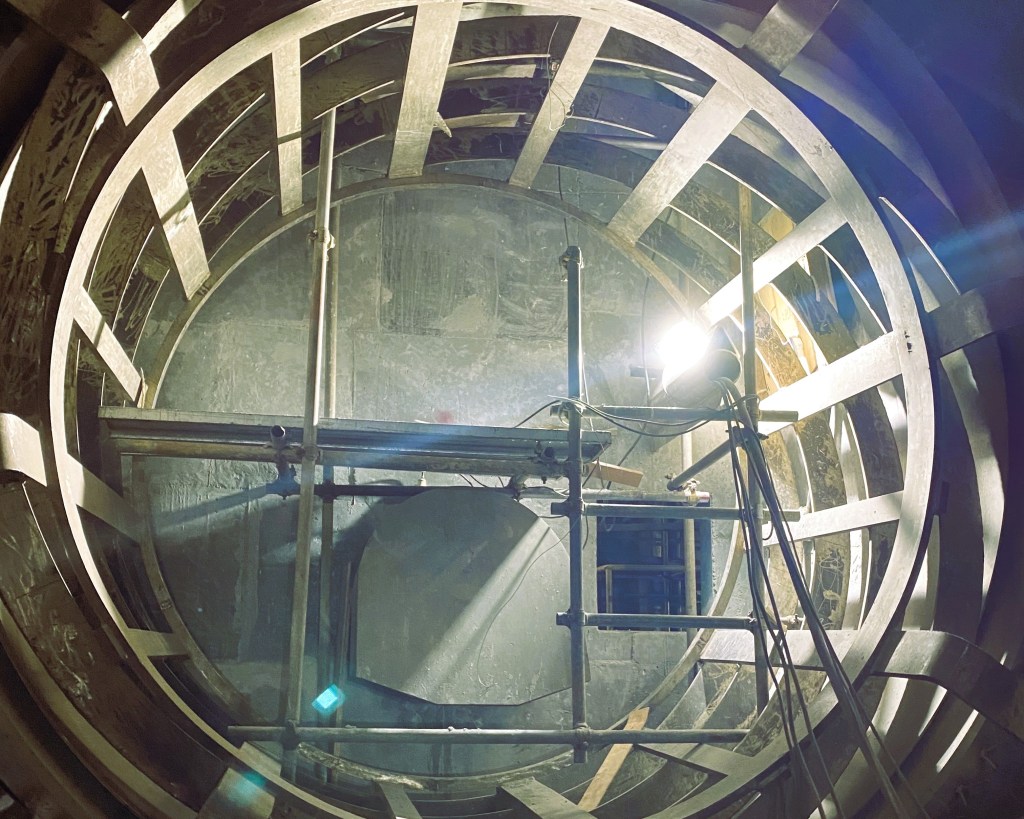
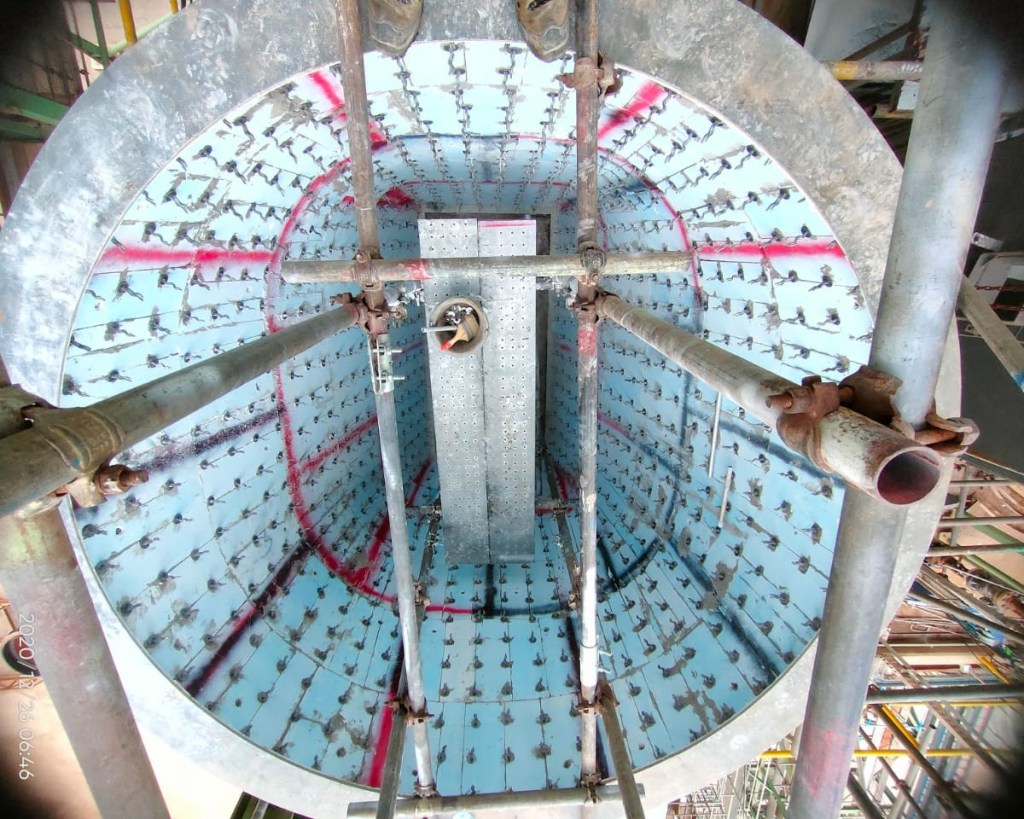
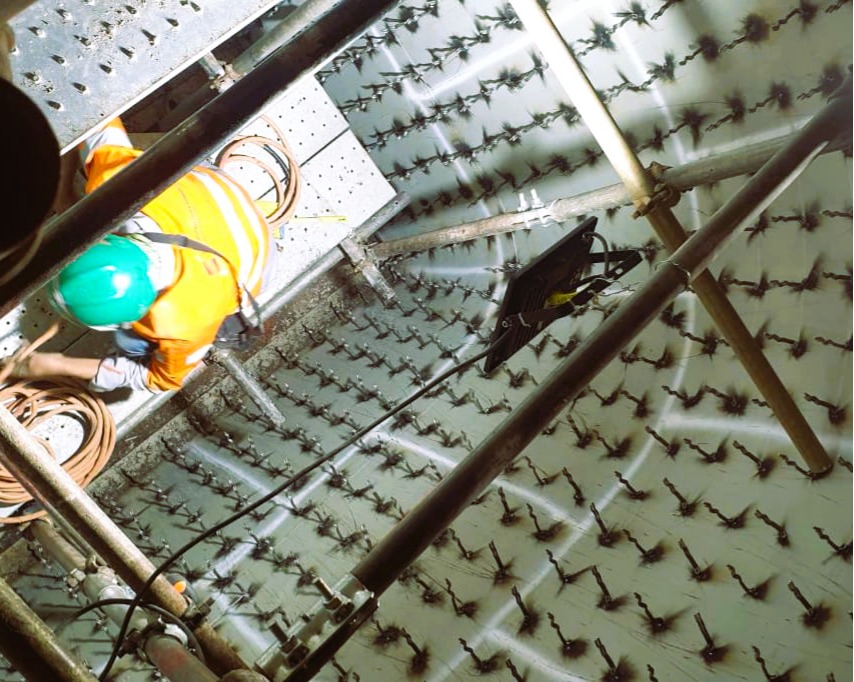
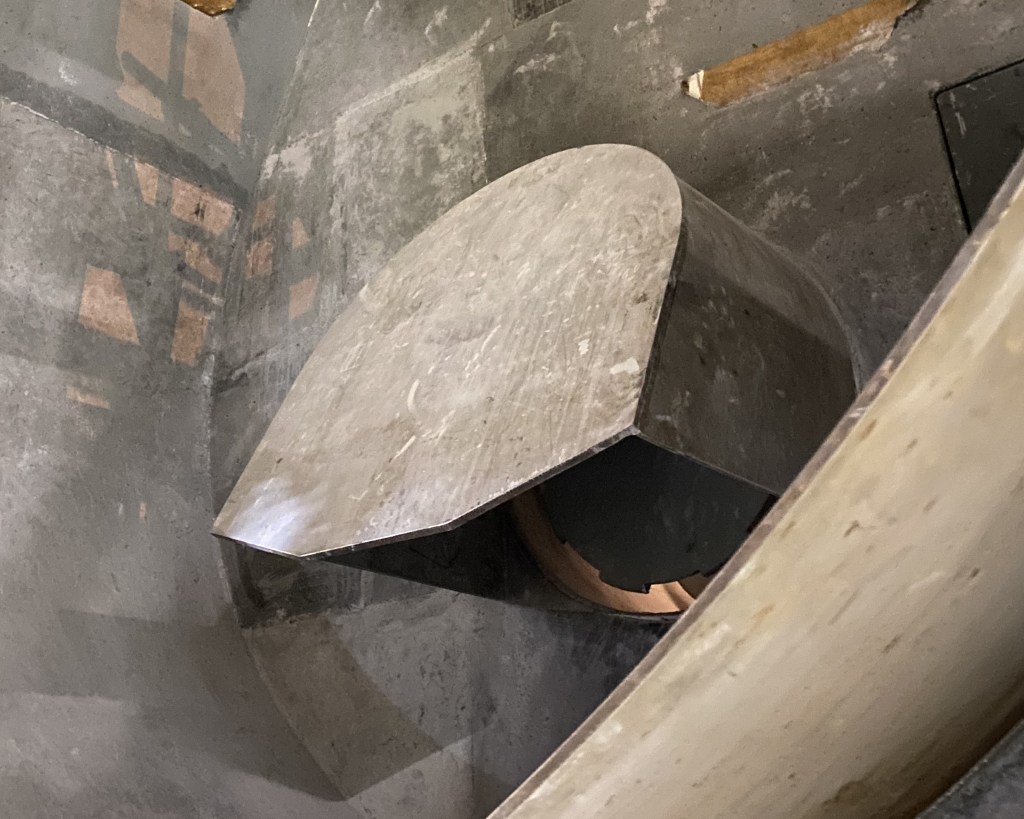
KILN FLASH (FEED HEAD)
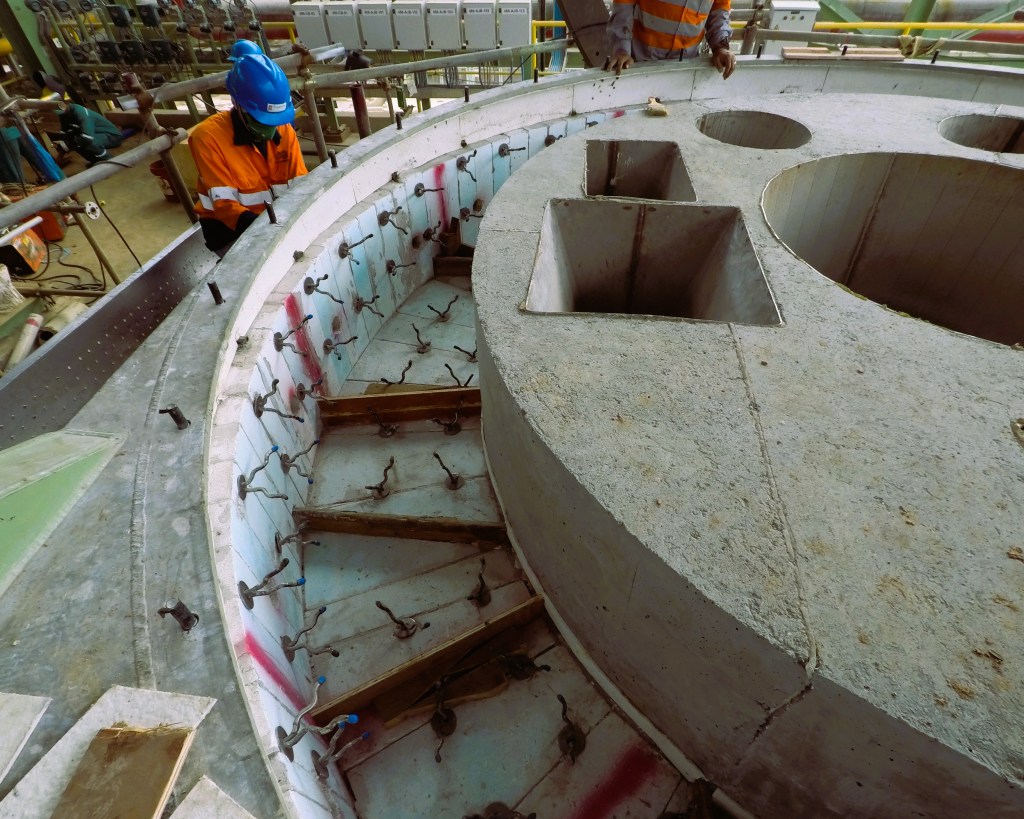
The feed head of a lime kiln plays a crucial role in the calcination process, which is part of the lime cycle. It ensures the efficient introduction of lime mud into the kiln, where it undergoes drying, heating, and calcination.
FEEDING ZONE
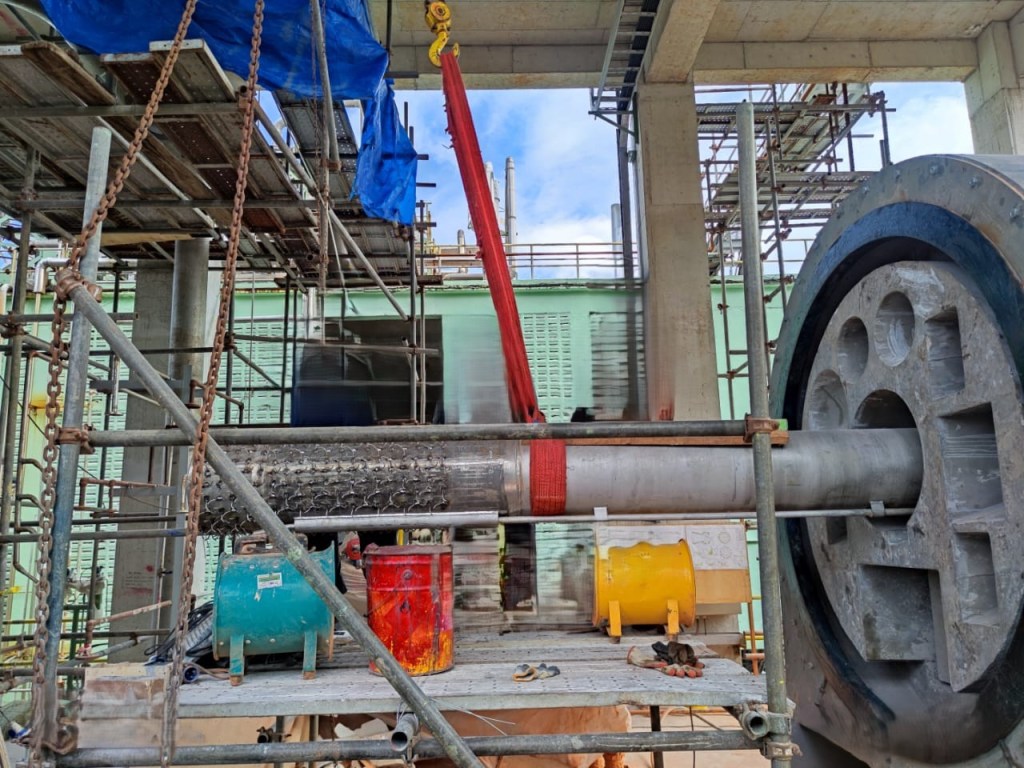
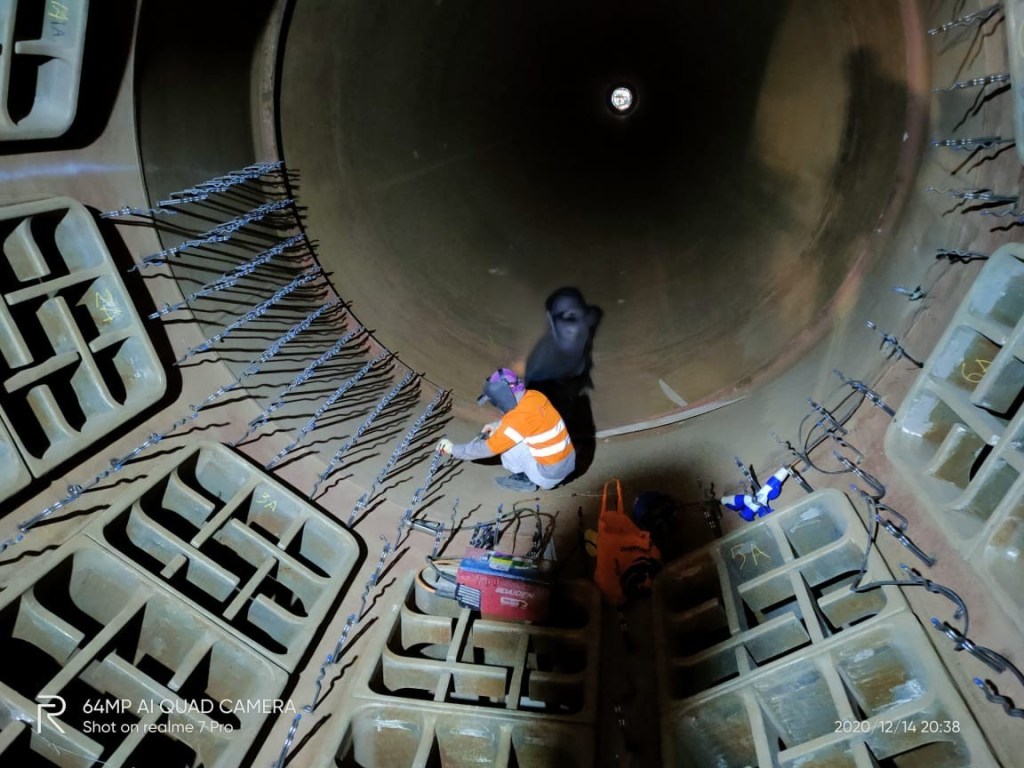
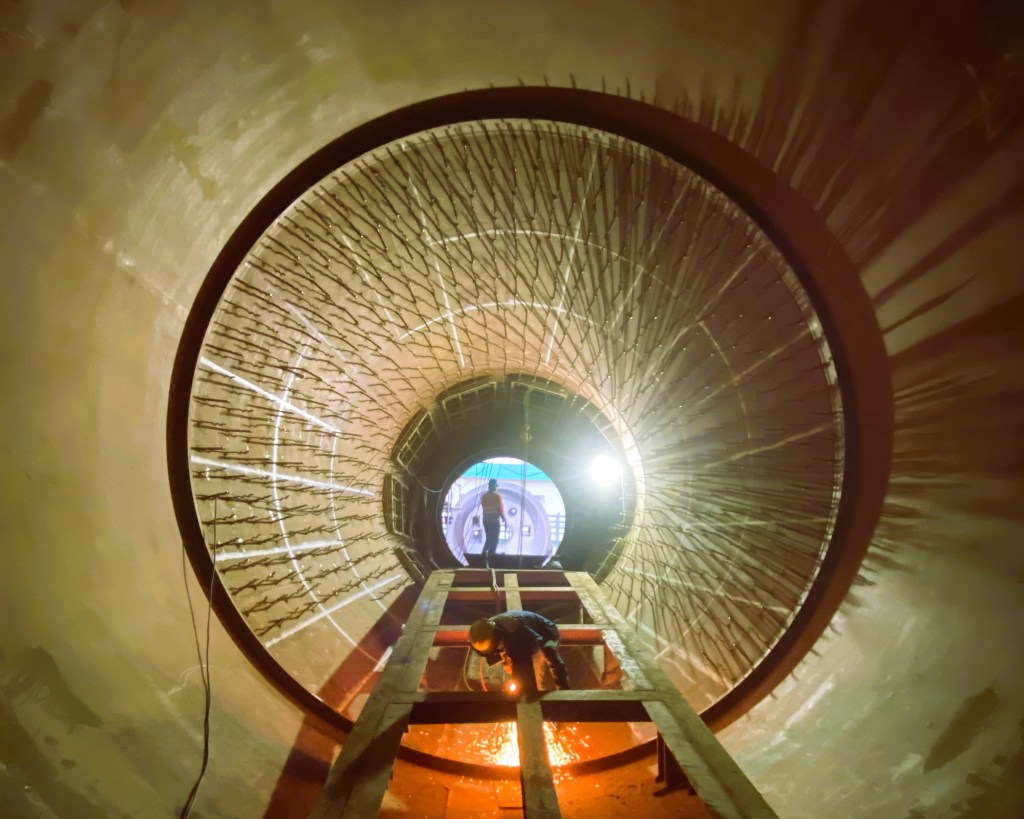
To improve the thermal efficiency of the kiln, a chain system is installed in the feed end. The chains pick up the lime sludge and expose it to the hot gases. The chains also absorb heat from the hot gases, transferring this heat when they again dip into the wet material.
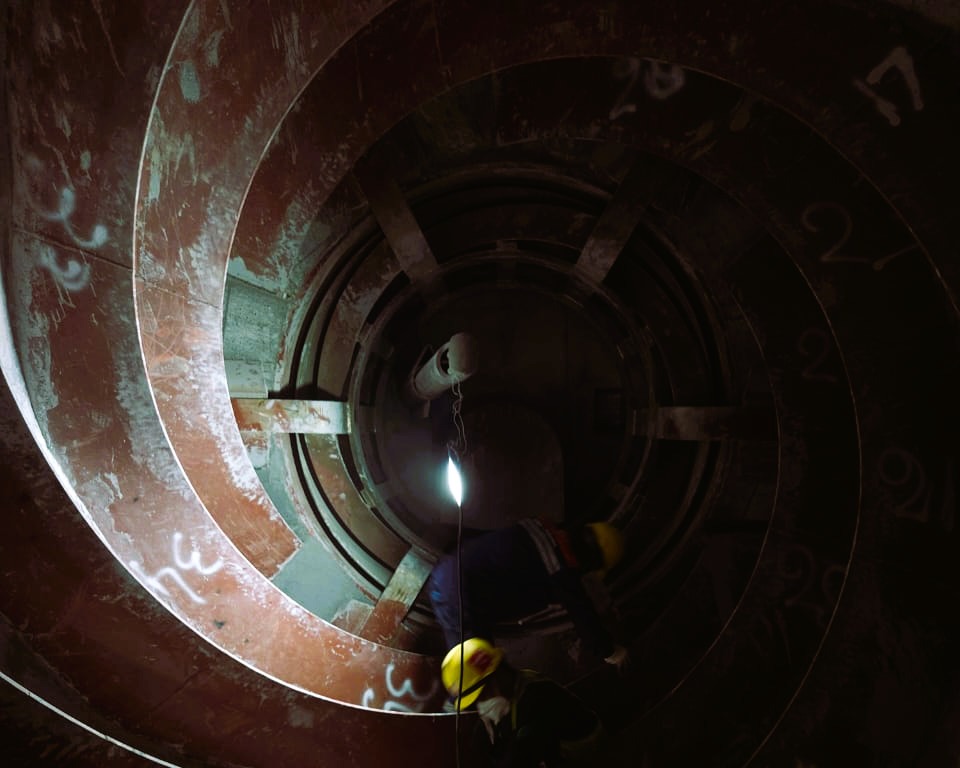
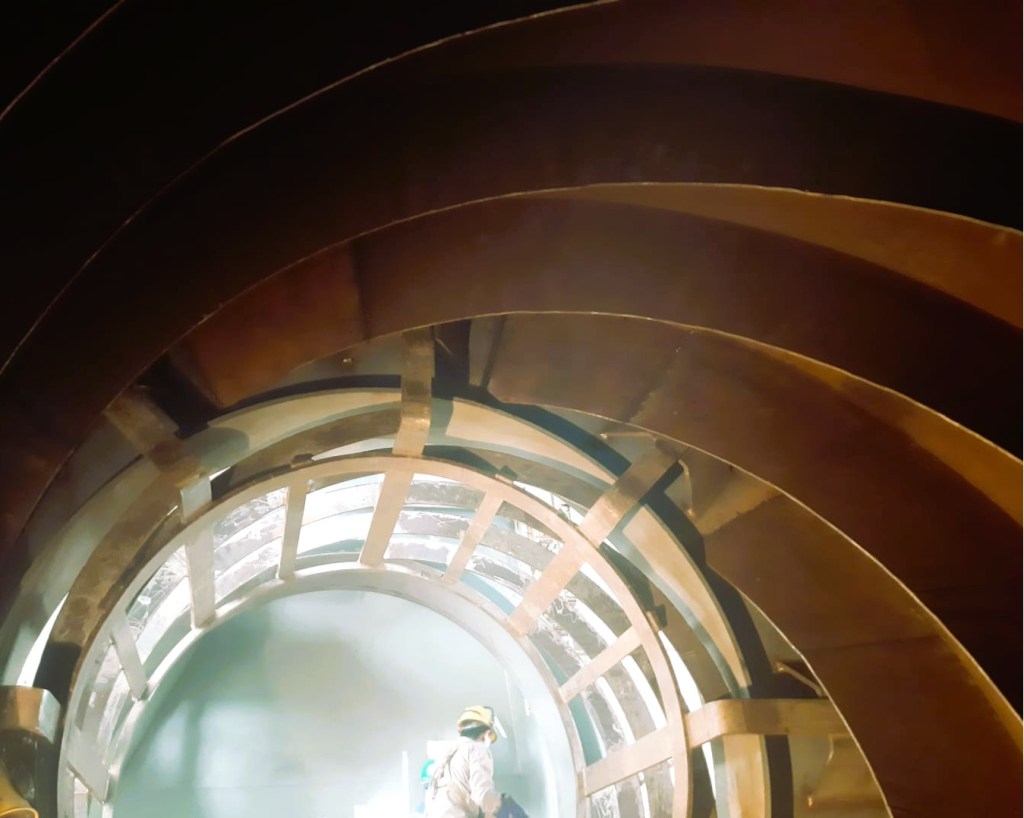
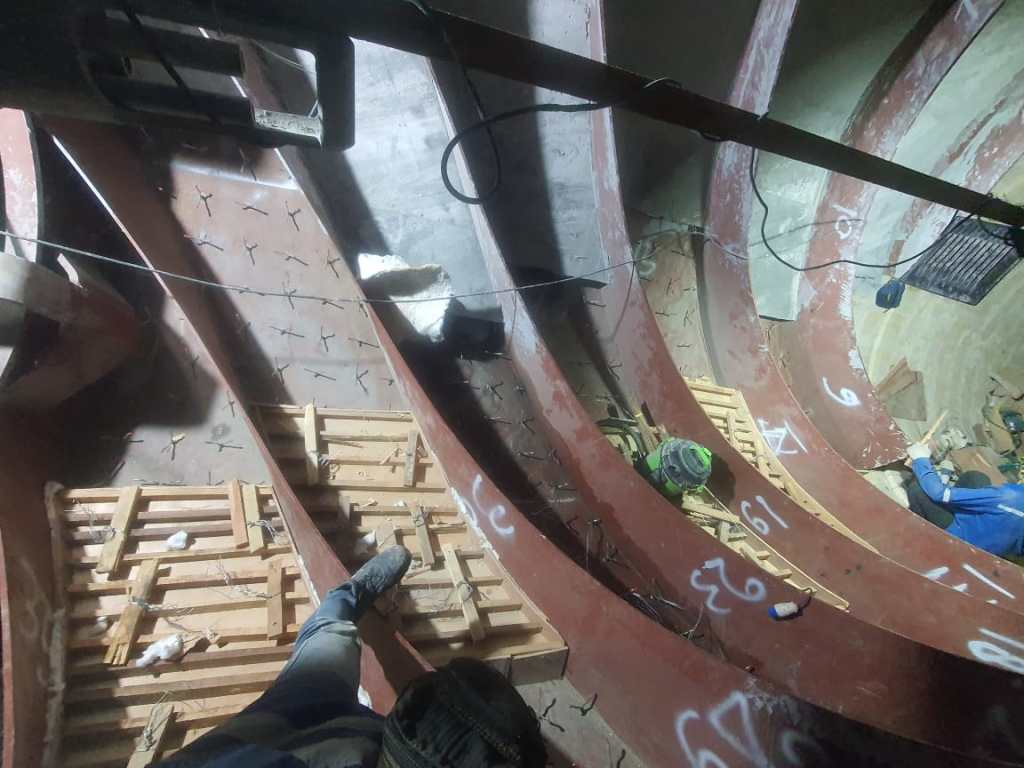
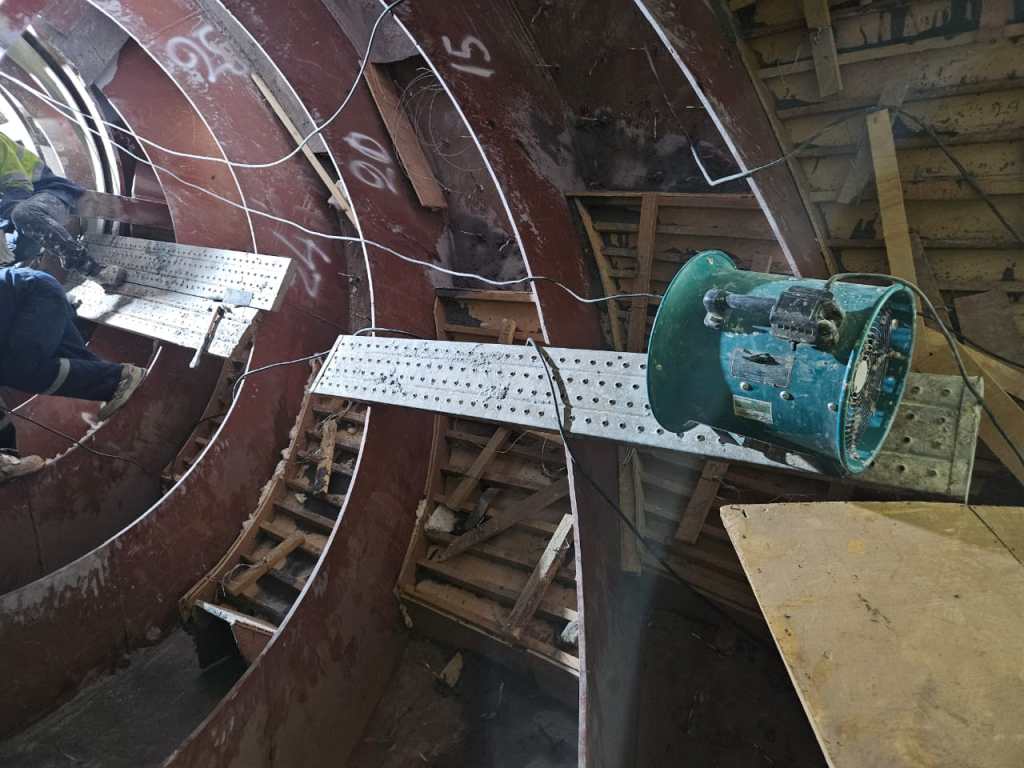
ROTARY KILN
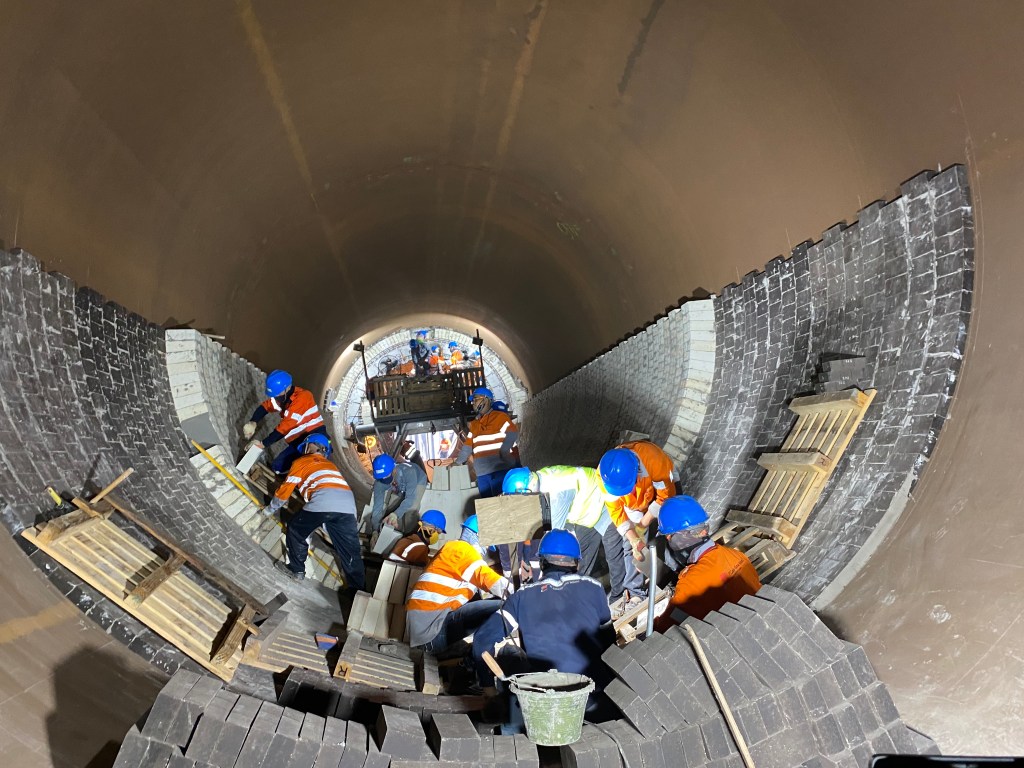
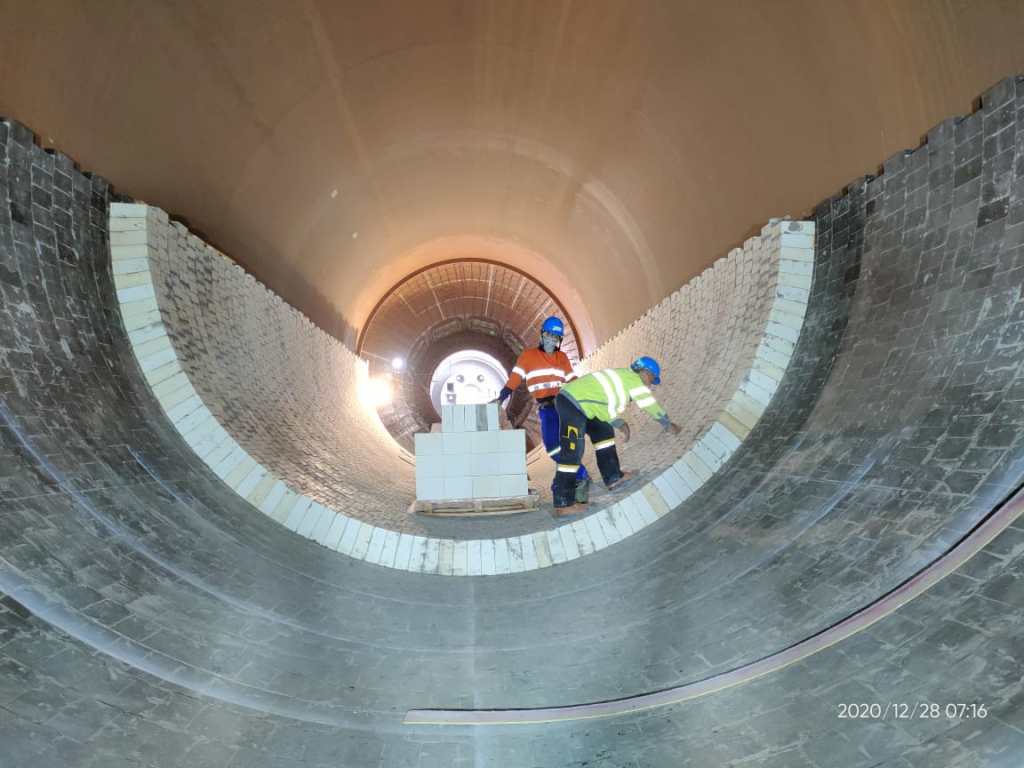
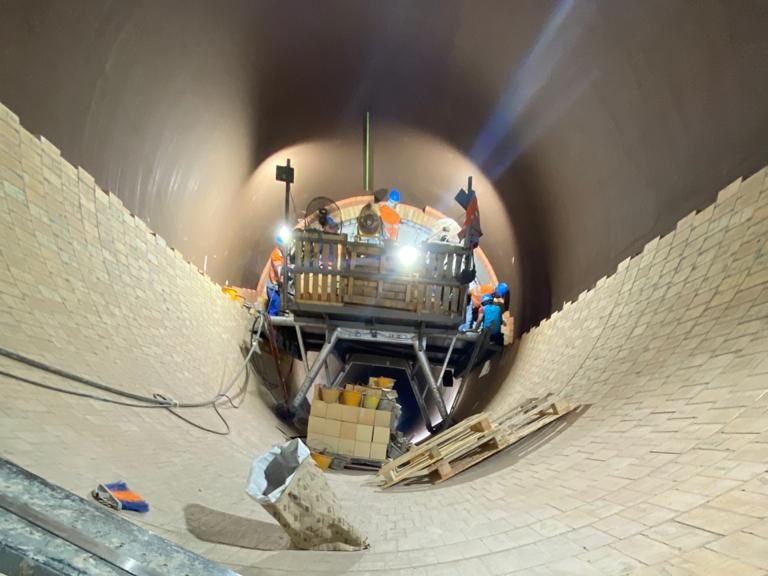
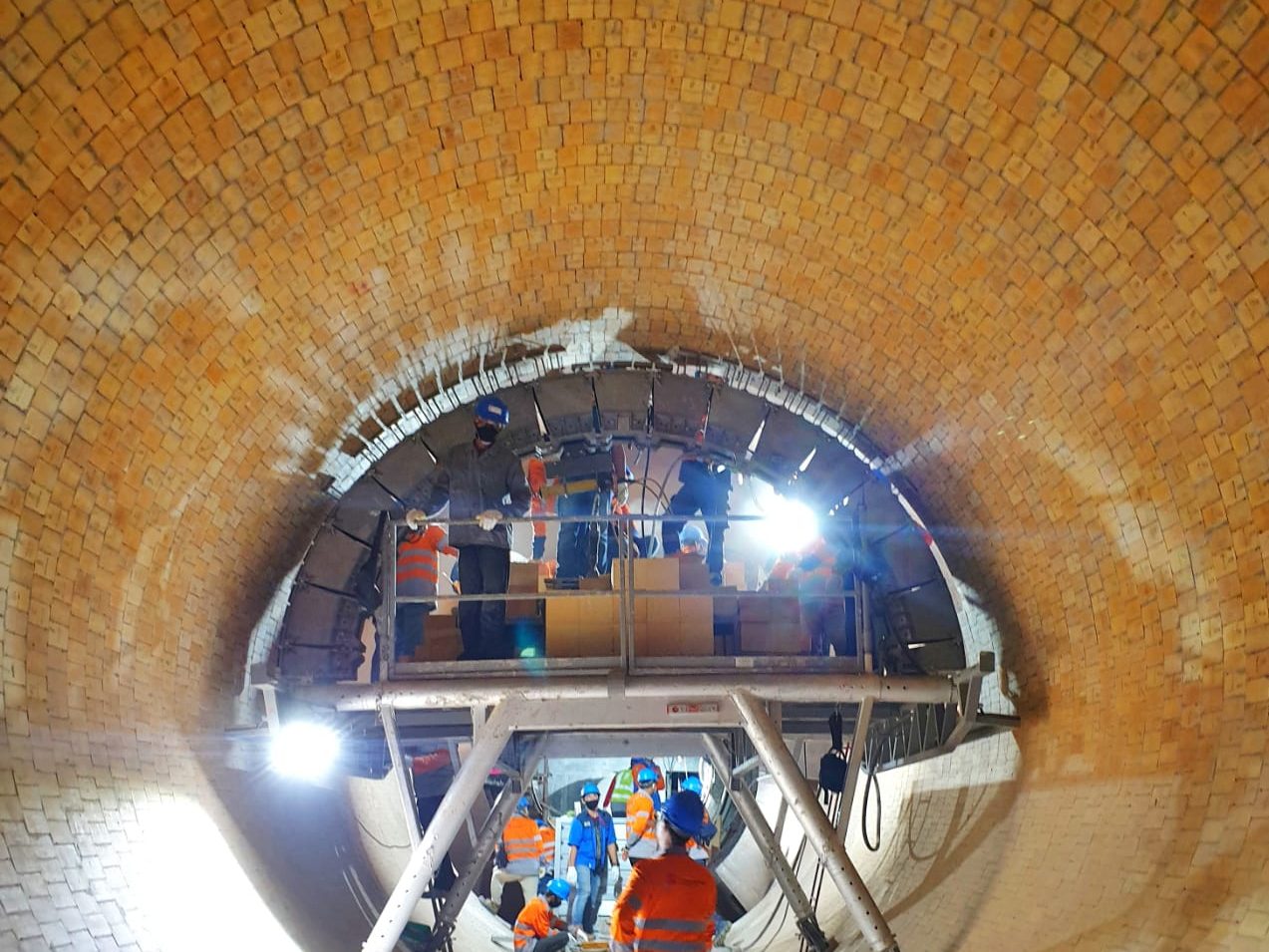
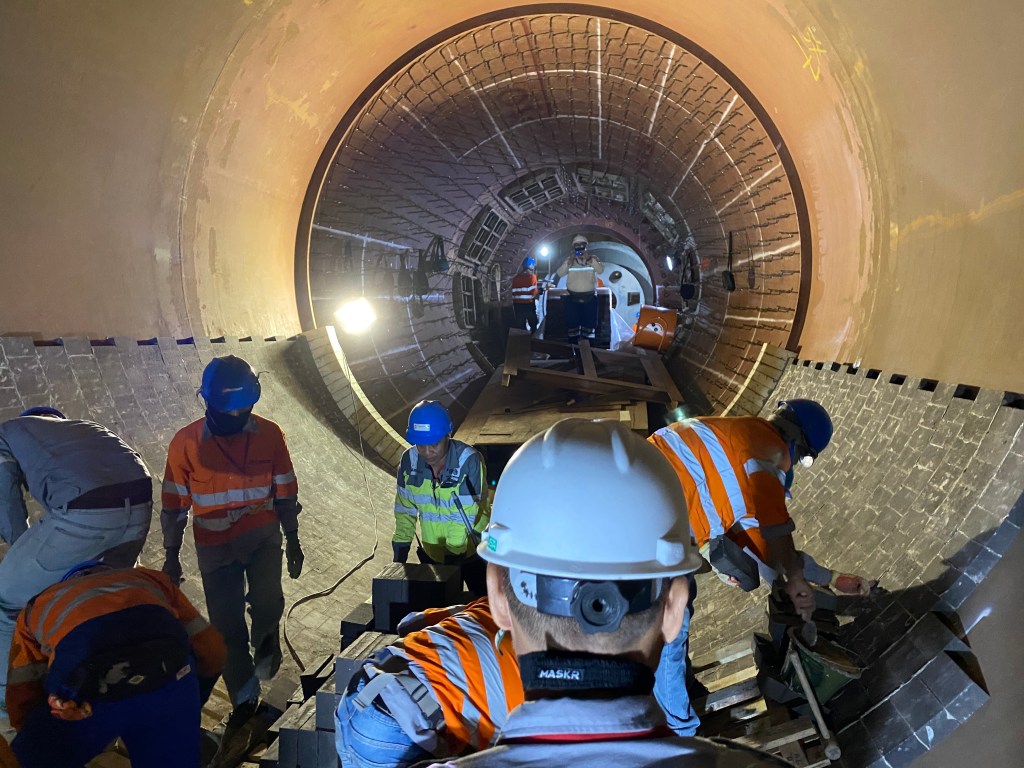
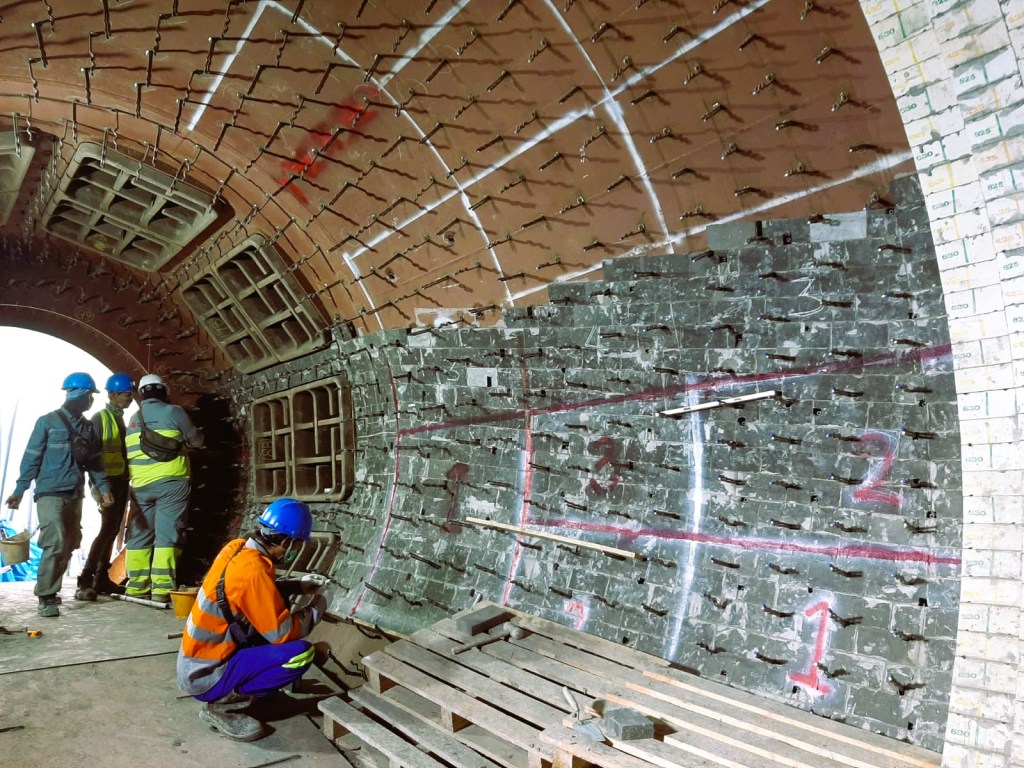
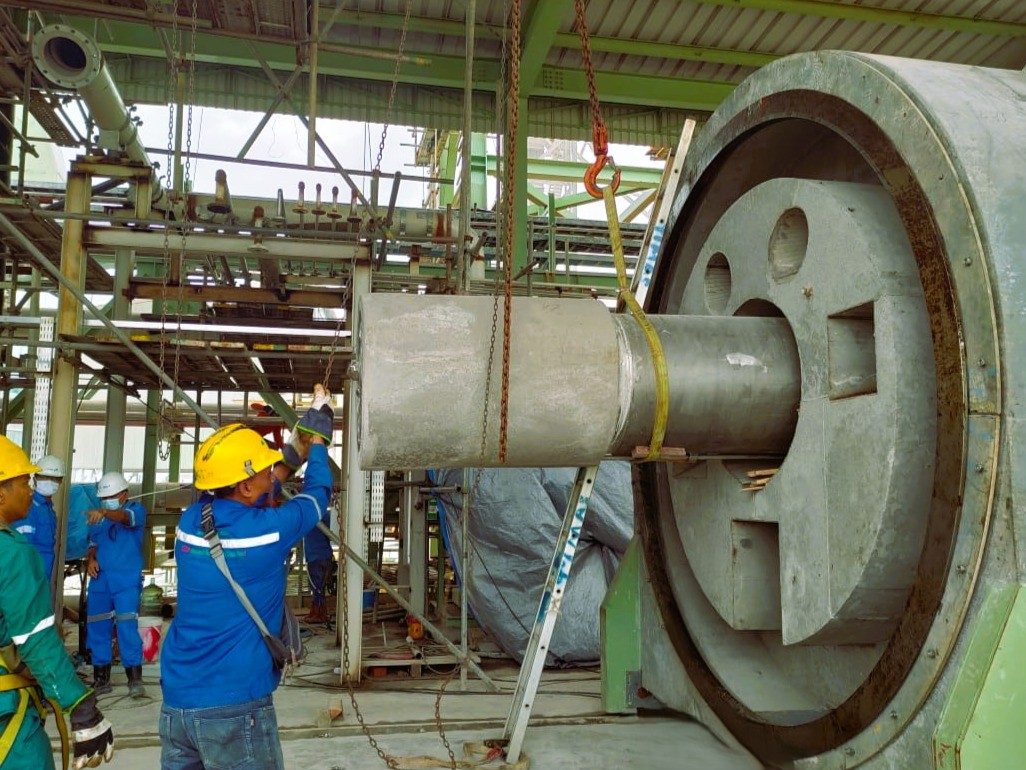
Rotary lime kilns are large steel tubes that are lined on the inside with refractory bricks. They are slightly inclined from the horizontal and are slowly rotated on a set of riding rings. Lime mud is introduced at the uphill, feed end and slowly makes its way to the discharge end due to the inclination and rotation.
DISCHARGE ZONE
The discharge zone of a lime kiln is the final stage where the calcined lime (quicklime) exits the kiln. This zone is critical for maintaining product quality and ensuring efficient operation. Long rotary kilns without preheaters require abrasion-resistant refractory in the charging zone, where abrasion of the stone can be particularly severe.
KILN HOOD (FIRING HOOD)
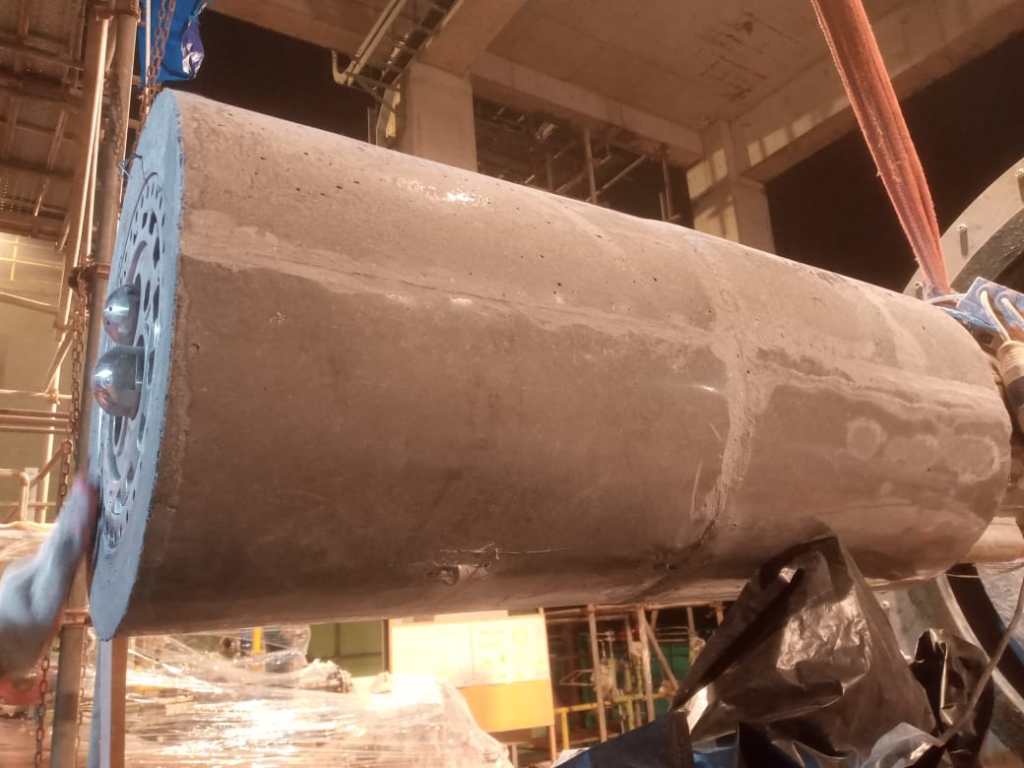
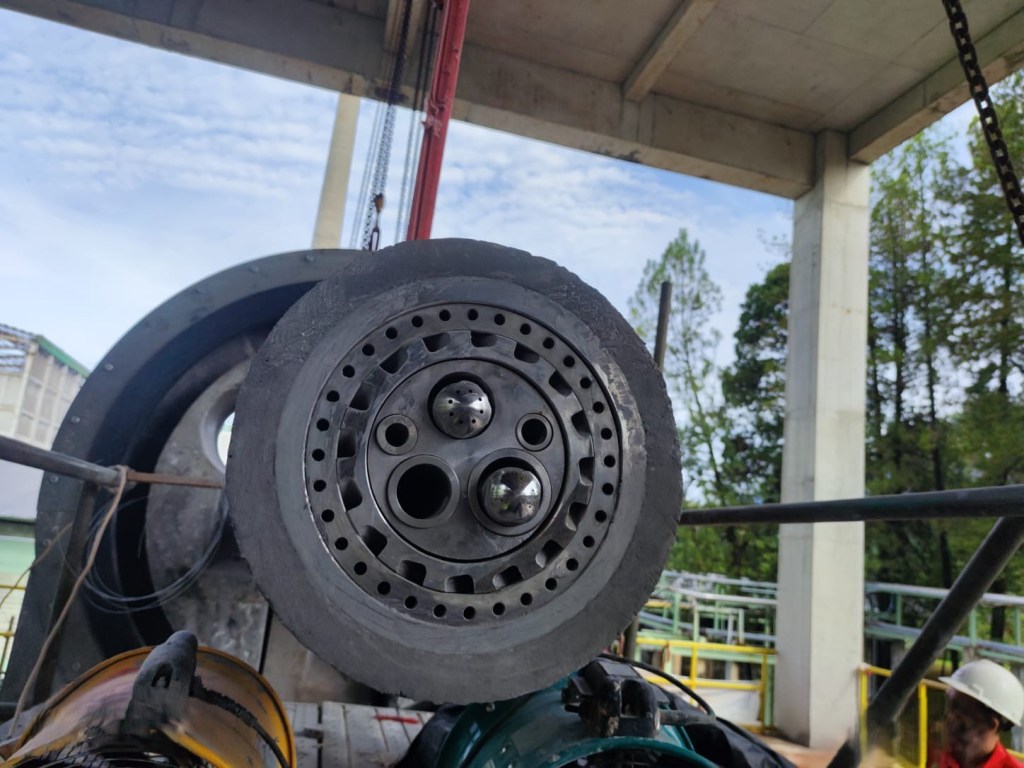
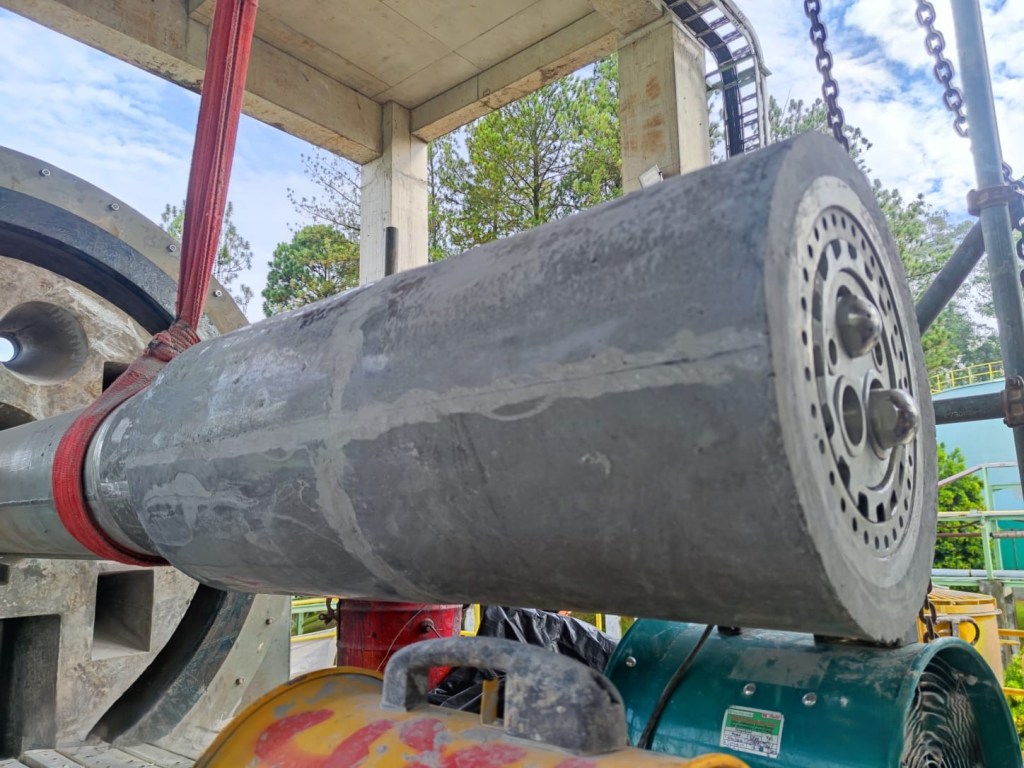
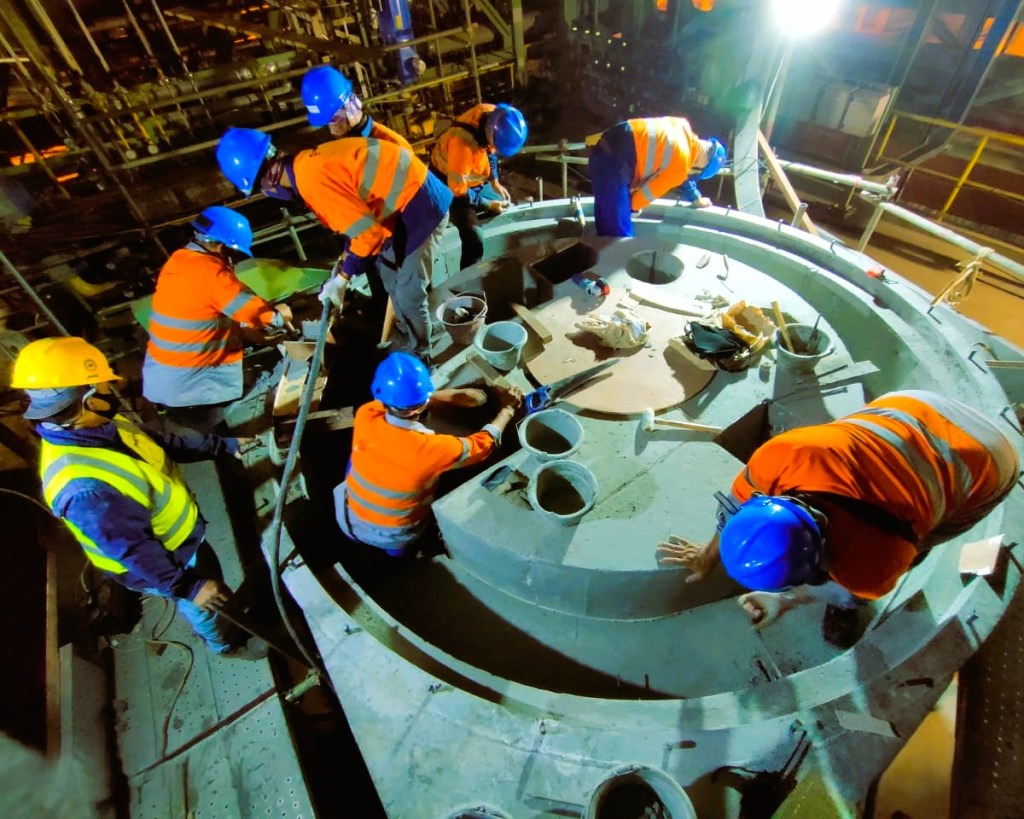
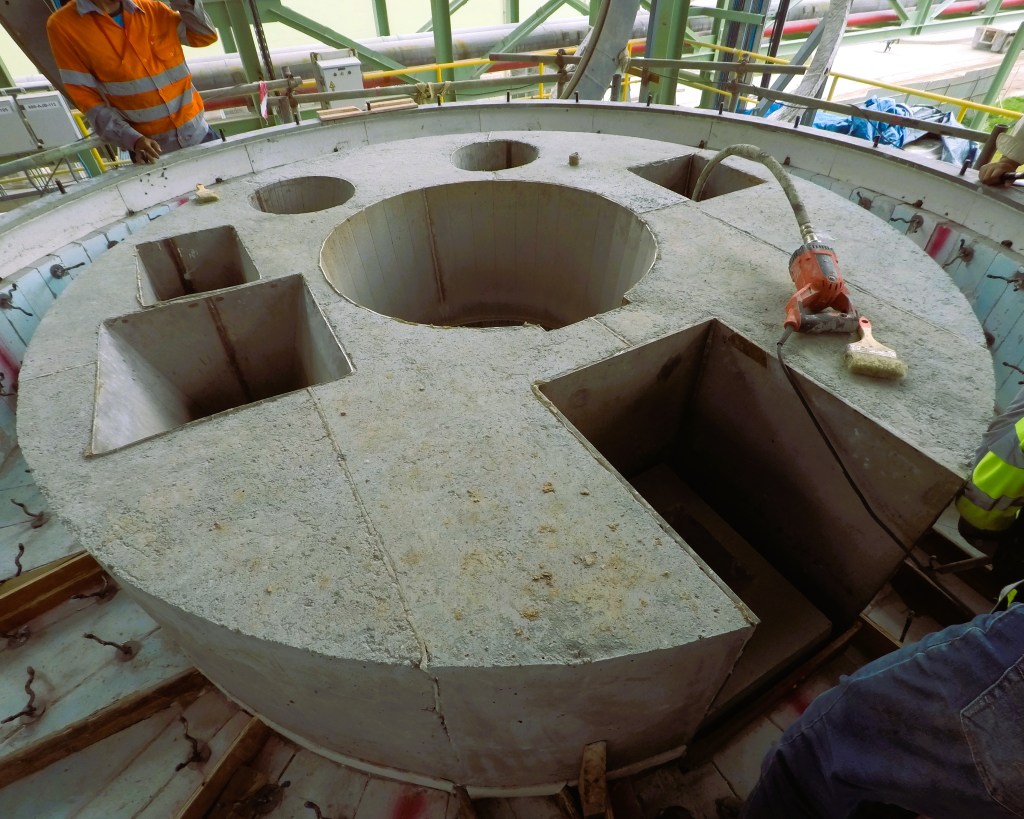
Via the kiln hood, the finished calcined lime is discharged from the kiln. Simultaneously, the process gases are conducted from the clinker cooler through the hood and into the rotary kiln. Moreover, the kiln hood provides access to the kiln for maintenance and repair work.
KILN BURNER
A burner is installed at the downhill or discharge end of the kiln where the fuel is burned to form an approximately cylindrical flame. The burner and flame play an important role in product quality and refractory service life.